
In recent years, the rise of 3D printing technology has revolutionized various industries, providing innovative solutions to complex challenges. From prototyping to full-scale production, 3D printing services have emerged as a powerful tool for businesses looking to enhance efficiency and creativity. This article delves into the pivotal role of 3D printing services in modern manufacturing, their applications across different sectors, and what the future holds for this exciting technology.
Understanding 3D Printing Technology
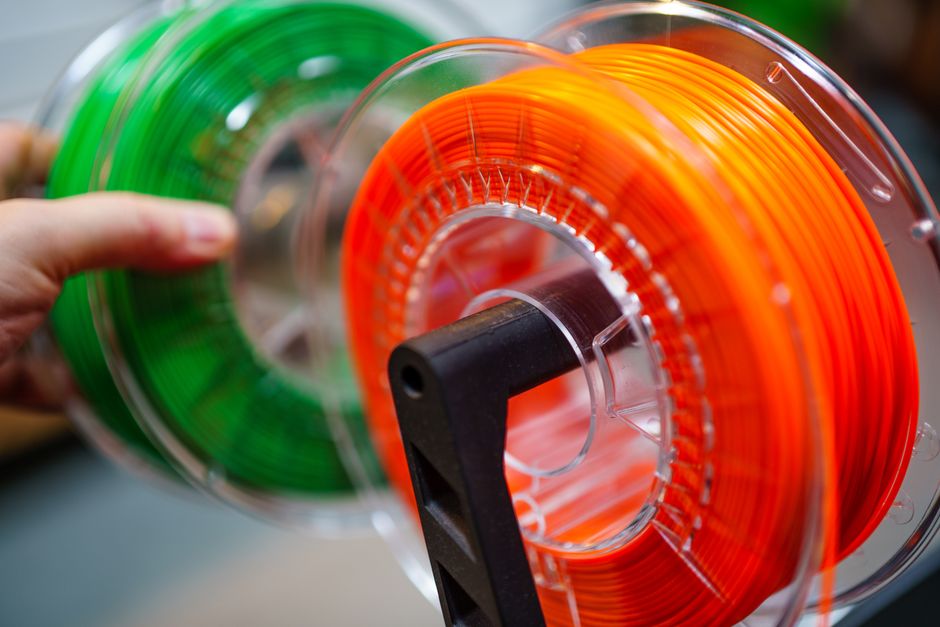
3D printing, also known as additive manufacturing, is a process that creates three-dimensional objects from a digital file. It involves layering materials, such as plastics, metals, or even biological substances, to construct the final product. This technology has evolved significantly since its inception in the 1980s, with advances in speed, accuracy, and material diversity driving its adoption across various fields.
The fundamental principle of 3D printing is relatively simple: digital models are sliced into thin horizontal layers, which are then printed one layer at a time. Each layer adheres to the previous one, gradually building up the object. This method contrasts sharply with traditional subtractive manufacturing, which often involves cutting away material from a solid block.
The Diverse Applications of 3D Printing Services
3D printing services are not limited to a single industry; they have found applications in sectors ranging from healthcare to aerospace. In the medical field, for instance, 3D printing is used to create customized prosthetics and implants tailored to individual patients. This not only improves the fit and comfort of the devices but also significantly reduces production costs and time.
Moreover, in the aerospace industry, companies leverage 3D printing to produce lightweight components that enhance fuel efficiency and reduce costs. For example, General Electric has utilized 3D printing to manufacture fuel nozzles for jet engines, resulting in a 90% reduction in the number of parts and a 25% decrease in weight.
Another prominent application is in the automotive sector, where manufacturers utilize 3D printing for rapid prototyping and even producing end-use parts. This capability allows for quicker iterations during the design phase and facilitates the production of complex geometries that would be impossible to achieve with traditional methods.
Benefits of Utilizing 3D Printing Services
The advantages of 3D printing services are manifold and can significantly impact a company’s bottom line. One of the most notable benefits is the reduction of material waste. Traditional manufacturing methods can produce up to 70% waste, while 3D printing generates much less waste by using only the necessary amount of material.
Additionally, 3D printing allows for greater design freedom, enabling engineers and designers to create intricate shapes and structures that were previously unattainable. This capability fosters innovation and can lead to the development of groundbreaking products.
Furthermore, the speed at which products can be designed and produced is drastically improved with 3D printing. Prototypes that once took weeks to create can now be produced in a matter of days, allowing companies to bring their products to market faster and stay ahead of the competition. For those interested in exploring these advantages further, consider looking into a 3D printing service that offers tailored solutions for your needs.
The Future of 3D Printing Services
As we look to the future, the potential of 3D printing services appears limitless. With advancements in materials science, we can expect the development of new, more resilient materials that will broaden the scope of applications for 3D printing. For instance, researchers are currently exploring bioprinting, which involves printing living tissues and organs, potentially transforming the field of regenerative medicine.
Moreover, the integration of artificial intelligence and machine learning with 3D printing technology is poised to enhance the design and manufacturing processes. These technologies could optimize the printing process in real-time, ensuring higher precision and reducing errors.
Additionally, with the increasing emphasis on sustainability, 3D printing services could play a crucial role in developing eco-friendly manufacturing practices. By utilizing recycled materials and reducing waste, companies can align their production methods with environmental goals.
Conclusion
In conclusion, 3D printing services are revolutionizing the way we approach manufacturing and product design. With their diverse applications, significant benefits, and promising future, these services are becoming indispensable for businesses seeking to innovate and remain competitive. As technology continues to evolve, the full potential of 3D printing will likely reshape entire industries, making it a critical area of focus for anyone involved in manufacturing today.