
In today’s industrial landscape, metal fabrication shops play a pivotal role in the production of a vast array of products that are essential for various sectors. From automotive to construction, the demand for customized metal components continues to grow. Understanding the intricacies of metal fabrication is crucial for businesses looking to optimize their manufacturing processes and meet the market’s diverse needs.
What is Metal Fabrication?
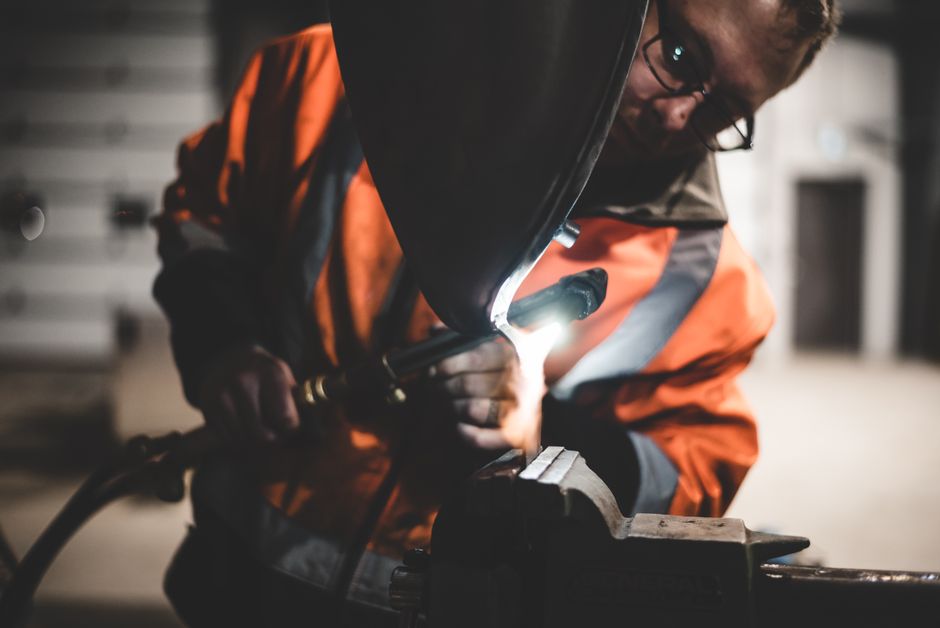
Metal fabrication refers to the process of building metal structures by cutting, bending, and assembling. It involves various methods, including welding, machining, and forming, to create a final product that meets specific requirements. The fabrication process can involve a wide range of materials, from aluminum and steel to more specialized alloys.
In a typical metal fabrication shop, skilled workers utilize advanced machinery and tools to transform raw metal into finished components. The process often starts with design and engineering, where blueprints are created using Computer-Aided Design (CAD) software. This phase allows for precision and accuracy, ensuring that the final products adhere to the required specifications.
The Importance of Metal Fabrication Shops
Metal fabrication shops serve as a backbone for many industries. They provide the essential components needed for machinery, infrastructure, and consumer products. For instance, in the automotive industry, metal fabrication is critical for producing parts like frames, brackets, and engine components that require high strength and durability.
Moreover, the versatility of metal fabrication allows shops to cater to both large-scale production and one-off custom jobs. This adaptability is vital in modern manufacturing, where businesses often need bespoke solutions to meet specific customer demands. According to industry statistics, the global metal fabrication market is expected to reach approximately $20 billion by 2025, reflecting its significance and growth potential.
Key Processes in Metal Fabrication
Metal fabrication encompasses several key processes, each contributing to the overall production cycle. Cutting is one of the most fundamental steps, involving techniques such as laser cutting, plasma cutting, and waterjet cutting to achieve precise shapes and sizes.
Following cutting, the next process is bending, where metal pieces are shaped into desired angles and forms. This is often achieved using press brakes and other bending machines that apply force to the metal to create curves or angles. Proper bending techniques are crucial to maintaining the material’s integrity and ensuring a quality fit in the final assembly.
Finally, welding is the process of joining two or more pieces of metal together. Welding techniques can vary widely, including MIG welding, TIG welding, and spot welding, each with its own advantages and applications. A skilled welder must understand the properties of different metals and the appropriate techniques to use for each project.
Choosing the Right Metal Fabrication Shop
When selecting a metal fabrication shop, businesses should consider several factors to ensure they partner with the right provider. First and foremost, it’s essential to evaluate the shop’s experience and expertise in the specific type of fabrication required. A shop specializing in automotive parts may not have the same capabilities for constructing large industrial components.
Additionally, assessing the quality of equipment and technology used in the shop is vital. Advanced machinery can significantly impact the precision and efficiency of the fabrication process. Shops that invest in state-of-the-art technology are often better equipped to handle complex projects and tight deadlines.
Lastly, reviewing customer testimonials and case studies can provide insight into a shop’s reliability and quality of work. A reputable shop will have a track record of successfully completed projects and satisfied customers.
Future Trends in Metal Fabrication
The metal fabrication industry is continually evolving, driven by advancements in technology and changing market demands. One of the most significant trends is the integration of automation and robotics into the fabrication process. Automated systems can enhance productivity, reduce human error, and improve safety in the workplace.
Another trend is the increasing emphasis on sustainability and eco-friendly practices. Metal fabrication shops are exploring ways to minimize waste and energy consumption, such as recycling scrap metal and utilizing energy-efficient machines. This shift not only benefits the environment but can also lead to cost savings for businesses.
Moreover, the rise of additive manufacturing, or 3D printing, is beginning to influence traditional metal fabrication methods. While still in its infancy for metal parts, this technology holds the potential to revolutionize how components are produced, offering unprecedented levels of customization and complexity.
Conclusion
Metal fabrication shops are integral to the manufacturing landscape, providing essential components for a wide array of industries. Understanding the processes, selecting the right shop, and staying informed about industry trends are crucial for businesses looking to leverage the benefits of metal fabrication. By partnering with a reliable metal fabrication shop, companies can ensure they receive high-quality products tailored to their specific needs, ultimately enhancing their operations and competitiveness in the market.